
Cybersecurity Support for Connected Medical Devices
Prepare the cybersecurity architecture, evidence, SBOM, testing, and postmarket documentation needed to support your FDA 510(k) submission.
Discuss your 510(k) cybersecurity package See what we supportSecure connectivity is not the same as submission readiness
Many teams already have certificates, encrypted communication, user roles, and a penetration test. But the 510(k) cybersecurity package requires much more: threat modeling, risk assessment, architecture views, SBOM, vulnerability analysis, test evidence, update strategy, labeling, and postmarket cybersecurity planning.

A connected cybersecurity story from threat to postmarket control
Your submission should show a consistent chain from cybersecurity threats to implemented controls, verified test results, residual-risk decisions, labeling, and postmarket monitoring.
The package should describe the actual product, not a generic security model. The architecture, requirements, SBOM, vulnerability assessment, test reports, and postmarket plan all need to describe the same released system.
Cybersecurity support for your connected-device 510(k) package
We work across the connected layer of your product — device, firmware, cloud platform, portal, and the software supply chain behind them.
Each area below becomes concrete, traceable cybersecurity evidence you can carry directly into the submission.
We support the connected-device cybersecurity evidence package. Your regulatory, quality, and cybersecurity teams remain responsible for final strategy, approvals, QMS records, and submission decisions.
What you get
Not abstract consulting — concrete materials your team can carry straight into the submission package.
From security controls to FDA-ready cybersecurity evidence
A structured engagement that moves from understanding your connected system to handing your teams cybersecurity evidence aligned with the submission — four stages, each building on the last.

Assess
Review your connected architecture, software components, cloud role, update process, security controls, and current documentation gaps.
Map
Define assets, threats, trust boundaries, cybersecurity risks, security requirements, and the evidence needed for each control.
Build evidence
Configure reporting, event models, SBOM inputs, vulnerability evidence, update visibility, and cybersecurity test support.
Package
Help your engineering, cybersecurity, quality, and regulatory teams align platform evidence with 510(k) documentation and QMS records.
A connected platform built to make cybersecurity behavior observable
KaaIoT helps manufacturers demonstrate how connected devices are identified, authenticated, monitored, updated, contained, and traced across their lifecycle.
Instead of assembling cybersecurity evidence manually from disconnected systems, teams get a structured connected-device foundation for security monitoring, documentation, testing, updates, and postmarket operations.
Build a stronger FDA 510(k) cybersecurity package
See how a connected ECG monitor turns FDA cybersecurity requirements into practical evidence — from threat modeling and architecture views to SBOM, testing, patching, and postmarket monitoring.
Cybersecurity for Connected Medical Devices: What You Need for an FDA 510(k) Submission
Read the guide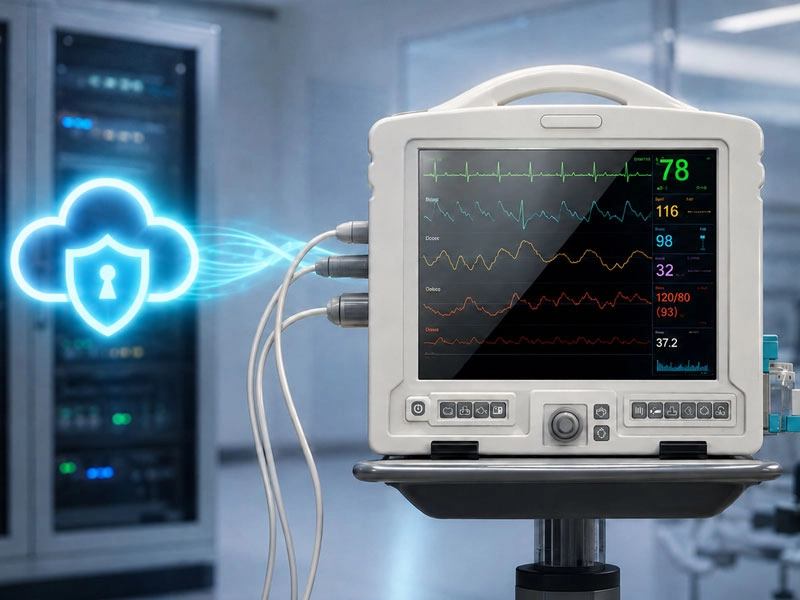
Preparing a connected medical device for FDA 510(k)?
KaaIoT engineers can help you define the device-to-cloud cybersecurity architecture, prepare platform evidence, support SBOM and vulnerability documentation, configure security-event reporting, and build the technical foundation for a stronger FDA 510(k) cybersecurity package.
Schedule a cybersecurity call